Introduction to Turkish Eggs
What are Turkish Eggs and why should you try them?
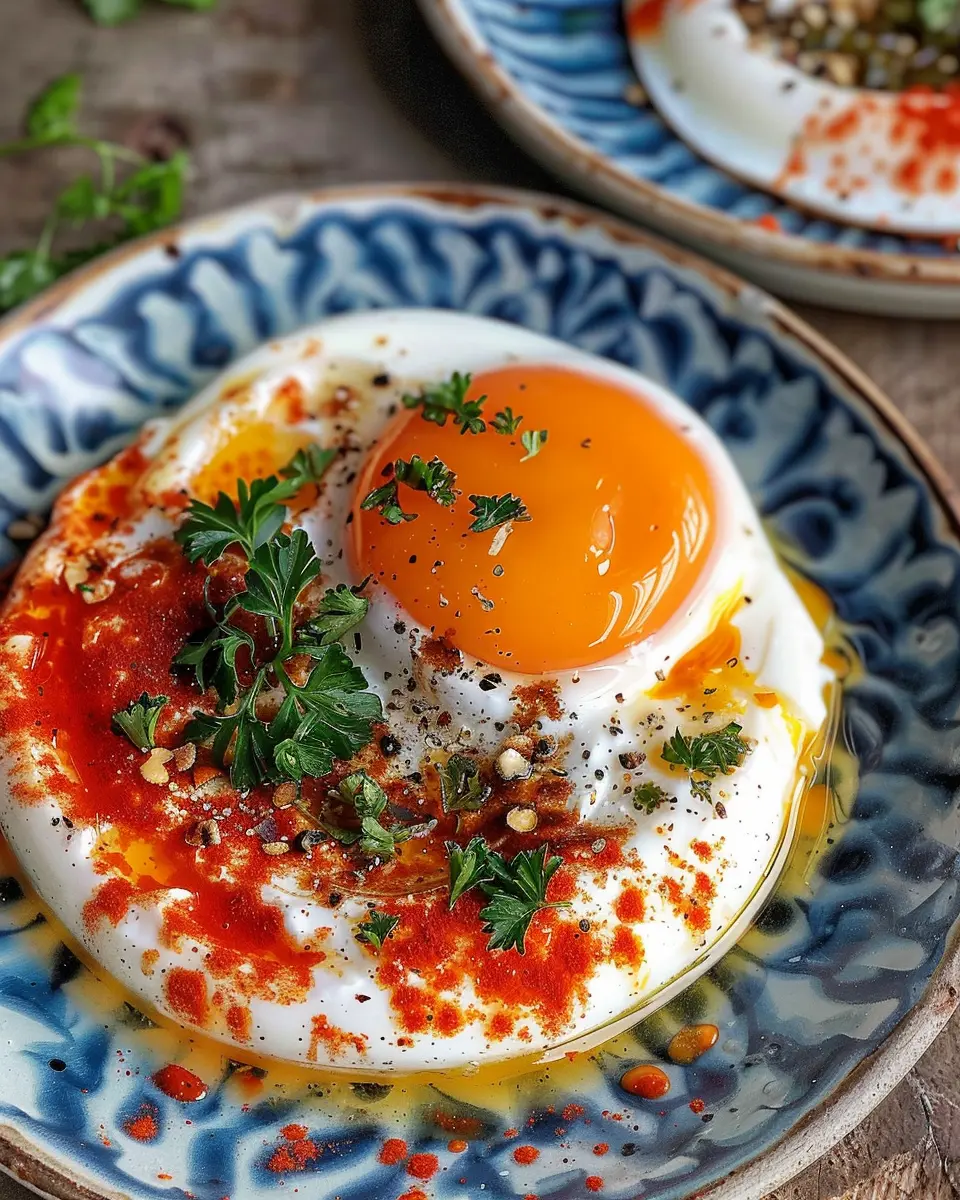
If you haven’t yet discovered the delightful world of Turkish eggs, you’re in for a treat. This flavorful dish, known as “Çılbır” in Turkey, combines perfectly poached eggs with a rich garlic yogurt sauce, all topped off with a drizzle of smoky, spiced butter. Sounds incredible, right?
So, why should you throw on your apron and whip up some Turkish eggs? First and foremost, this dish is a feast for both the eyes and the palate. The vibrant colors and contrasting textures make it a gorgeous centerpiece for brunch or any breakfast gathering. Whether you’re hosting friends or treating yourself, the experience of Turkish eggs is memorable.
Beyond aesthetics, the flavor profile sets it apart. The creamy yogurt and the gentle warmth of the butter complement the eggs beautifully. Plus, the slight tang from the yogurt adds a unique twist that you won’t find in typical egg recipes. If you’re looking to impress someone or simply elevate your breakfast game, Turkish eggs are the way to go. This dish isn’t just a meal; it’s an experience steeped in rich Turkish culture. You can dive deeper into Turkish cuisine here for more exciting dishes.
In terms of nutrition, Turkish eggs pack a punch. Eggs are a fantastic source of high-quality protein and essential nutrients, while the yogurt provides probiotics for gut health. The addition of spices, like paprika and red pepper flakes, not only enhances the flavor but can also bring health benefits such as improved metabolism.
Who knew that brunch could be so nutritious and delicious? Plus, making Turkish eggs can be a fun weekend activity that brings everyone together in the kitchen. Whether you like it spicy or mild, this flexible dish allows you to express your culinary creativity.
So, if you’re tired of the same old breakfast routine, it’s time to give Turkish eggs a try. Let’s get started on creating a dish that’s sure to impress!

Ingredients for Turkish Eggs
Essential ingredients for a delightful dish
Creating Turkish eggs is all about using fresh, vibrant ingredients that come together to delight your taste buds. Here’s what you’ll need to whip up this beautiful dish:
- Eggs: Fresh eggs are the star of the show. Go for organic or free-range if possible, as they have a richer flavor.
- Greek Yogurt: Creamy and tangy, Greek yogurt adds a luscious texture and enhances the dish’s overall appeal.
- Chili Oil: A flavorful blend of olive oil and red chili flakes will bring a spicy kick to your Turkish eggs.
- Fresh Herbs: A sprinkle of dill or parsley will brighten the dish and add a touch of freshness.
- Turkey Bacon or Chicken Ham: For an added protein boost, try using Turkey bacon or Chicken ham for a savory contrast.
- Salt and Pepper: Simple, yet essential, these seasonings bring all the flavors together.
Cooking creates connections—be sure to share your experience with friends or even explore variations of this dish. And if you’re keen on more breakfast inspirations, check out resources like Bon Appétit for innovative recipes and tips!
Preparing Turkish Eggs
If you haven’t tried Turkish eggs yet, you’re in for a treat. This dish transforms the humble egg into a masterpiece that showcases bold flavors, creamy textures, and a delightful array of spices. Let’s walk through the steps to prepare them, ensuring every bite is as delicious as you could envision.
Gather Your Ingredients
Before diving into cooking, it’s essential to gather all your ingredients. Here’s what you’ll need for a flawless creation of Turkish eggs:
- 4 large eggs: Fresh is best!
- 1 cup plain yogurt: Greek yogurt works splendidly for that creamy consistency.
- 2 tablespoons olive oil: A high-quality olive oil adds richness.
- 2 cloves of garlic: Minced, for flavor.
- 1 teaspoon paprika: Smoked paprika gives a depth of flavor.
- Salt and pepper: To taste, always.
- Chopped fresh herbs: Such as dill or parsley for garnish.
- Optional toppings: Sliced Turkey bacon or Chicken ham if you desire a protein boost.
Having everything ready will streamline your cooking process, making it a joyful experience rather than a rush.
Make the Yogurt Base
Now, let’s whip up the yogurt base. In a medium bowl, combine the plain yogurt, minced garlic, and a pinch of salt. This is your creamy foundation. You want it smooth and slightly tangy, providing a perfect contrast to your eggs later.
If you’re looking for more yogurt ideas, consider this resource from Healthline that explores yogurt’s health benefits. Speaking from experience, letting the yogurt sit at room temperature for about 10 minutes while you prepare the eggs allows it to become even creamier and enhances its flavor.
Poach the Eggs Perfectly
Now it’s time for the main event: poaching those eggs. For perfectly poached eggs, use a large saucepan filled with water and bring it to a steady simmer. Adding a splash of vinegar helps the egg whites set quickly.
- Crack each egg into a small bowl or ramekin (this makes it easier to add).
- Create a gentle whirlpool in the water using a spoon, then slide in each egg one at a time.
- Let them cook for 2-4 minutes, depending on how runny you like your yolks.
Here’s a pro tip: Remove them with a slotted spoon and place them on a plate lined with paper towels to absorb any excess water. This little step keeps your presentation neat!
Prepare the Olive Oil Sauce
While your eggs are poaching, heat the olive oil in a small skillet over medium heat. Add the smoked paprika and let it sizzle for about 30 seconds. This process infuses the oil with flavor creating a vibrant sauce.
Keep it moving, so it doesn’t burn! Once you see it bubbling and fragrant, take it off the heat. This simple sauce elevates your Turkish eggs like nothing else.
Assemble and Serve Your Dish
Now comes the fun part: assembly! Spread the creamy yogurt base generously on a plate, creating a bed for your eggs.
- Place the poached eggs right on top of the yogurt.
- Drizzle the paprika-infused olive oil over the eggs beautifully.
- Add your chopped herbs for that fresh touch. If you’re using Turkey bacon or Chicken ham, layer them on the side for extra flavor and crunch!
Serve immediately with crusty bread or pita, and enjoy! You’ll be amazed at how these Turkish eggs can brighten up your brunch or transform a simple dinner into something extraordinary.
So, next time you’re in the mood for a satisfying meal, try whipping up this delightful dish! Not only is it delicious, but it’s also a hit for entertaining guests or a quiet evening at home.

Variations on Turkish Eggs
Spicy Turkish Eggs with Additional Seasonings
If you’re looking to kick your Turkish eggs up a notch, consider adding some spicy flair. A sprinkle of smoked paprika or a generous dollop of harissa can fire up the flavor profile, making your dish truly unforgettable. For a touch of brightness, squeeze some fresh lemon juice over the top before serving. You can also add a pinch of chili flakes if you’re feeling adventurous. These additions not only enhance the dish’s complexity but also keep your taste buds on their toes! Check out Chili Pepper Madness for more spicy ideas that can complement your eggs beautifully.
Vegetarian Adaptations for Addressing Dietary Preferences
Adapting Turkish eggs for vegetarian diners is easier than you might think. Instead of Turkey bacon or Chicken ham, consider replacing them with roasted vegetables such as zucchini or bell peppers for a hearty texture. You can also use sautéed mushrooms, which add umami depth without the meat. To make it even more filling, try including some chickpeas; they’ll not only boost protein but also add a delightful earthiness to the dish.
If you’re interested in dairy alternatives, consider using cashew cream instead of yogurt for a rich, nutty flavor—plus, it’s a fantastic vegan option! Each variation allows you to put your twist on this traditional dish, making it perfect for hosting friends or simply treating yourself. For more vegetarian-friendly Sauces, explore this guide on Minimalist Baker for inspiration.
So go ahead—experiment with these variations and make Turkish eggs your own!
Cooking tips and notes for Turkish Eggs
When making Turkish Eggs, there’s a little magic to getting everything just right. Here are some handy tips to elevate your dish!
Key tips for perfect poached eggs
- Freshness Matters: Use the freshest eggs possible for the best texture and flavor. Fresh eggs hold their shape better when poached.
- Vinegar Trick: Adding a splash of vinegar to the poaching water helps the egg whites to coagulate faster, yielding a more aesthetically pleasing poached egg.
- Water Temperature: Aim for a gentle simmer, not a rolling boil. This keeps your eggs from breaking apart.
How to enhance the yogurt flavor
- Use Whole Milk Yogurt: For a creamier texture, opt for full-fat yogurt. It provides that luscious mouthfeel that pairs beautifully with the eggs.
- Mix in Herbs: Fresh herbs like dill or mint can brighten the flavor of the yogurt. Consider adding a sprinkle of lemon zest for an extra zing!
- Experiment with Spices: A hint of sumac or paprika can add a delightful twist to your yogurt. Just a pinch goes a long way!
For more detailed insights on poaching eggs and flavor combinations, check out resources from culinary experts like Serious Eats and The Kitchn. Happy cooking!

Serving suggestions for Turkish Eggs
Best breads to pair with Turkish Eggs
When enjoying Turkish eggs, the right bread can elevate the experience. Here are a few delightful options that complement the dish beautifully:
- Sourdough: Its tangy flavor and chewy texture make it perfect for scooping up that delicious yolk and yogurt.
- Pita Bread: Soft and warm, pita is ideal for dipping. You can also toast it for an extra crunch.
- Ciabatta: Crispy on the outside and airy on the inside, ciabatta can handle the hearty toppings well.
With these breads, you’ll have a satisfying base for the rich combination of flavors.
Plating ideas for an appealing presentation
Presentation is key! To serve your Turkish eggs stylishly:
- Color contrast: Use a vibrant plate—think deep blue or yellow—to make the colors pop. The creamy yogurt and bright spices will catch the eye.
- Layered look: Start by spreading a generous dollop of yogurt, gently lay the poached eggs on top, and drizzle the spiced butter around. Finish with herbs for that fresh touch.
- Garnish: A sprinkle of paprika or fresh herbs not only adds flavor but a burst of color too.
These simple tips can turn your meal into an Instagram-worthy affair—don’t forget to show it off! For more inspirational plating ideas, check out Food52 or Serious Eats.
Time details for Turkish Eggs
Preparation time
Getting your ingredients ready for Turkish eggs takes about 10 minutes. This includes gathering Greek yogurt, butter, and your favorite spices. Don’t forget to prepare your toppings, such as herbs or toasted nuts, to make your dish extra special!
Cooking time
The cooking part is a breeze, taking around 15 minutes. That’s just enough time to boil your eggs perfectly while you sauté your butter and spices, creating a tantalizing aroma that fills your kitchen.
Total time
In just 25 minutes, you’ll have a delightful and nutritious breakfast on the table. Whether you’re hosting friends or making brunch for yourself, this dish offers a quick yet satisfying experience. For more tips on perfecting your eggs, check out resources like Serious Eats or BBC Good Food. Happy cooking!
Nutritional Information for Turkish Eggs
When you’re whipping up a delicious dish like Turkish eggs, it’s not just about the taste—it’s also essential to consider the nutrition packed into every serving. Here’s a quick breakdown:
Calories
A typical serving of Turkish eggs contains around 350–400 calories. This makes it a hearty option for breakfast or brunch.
Protein
Incorporating eggs into this dish provides a solid protein boost, with approximately 20 grams per serving. This is great for keeping you full and energized throughout your day.
Fats
Turkish eggs contain about 27 grams of fats, primarily from the egg yolks and any yogurt or added oils. While fats are essential for your health, opting for healthier sources can enhance the dish even further.
For more insights on egg nutrition, you might want to check out resources from the American Egg Board or nutrition sites like NutritionData. Enjoy your Turkish eggs, and relish the nourishment they provide!
FAQs about Turkish Eggs
How do I get the perfect poached egg?
Achieving the perfect poached egg is an art! Here are some tips to ensure your eggs turn out beautifully:
- Freshness is Key: Use the freshest eggs you can find. Fresh eggs hold their shape better and give a more pleasing texture.
- Vortex Method: Swirl the water in the pot with a spoon before adding the egg. This helps the egg white wrap around the yolk as it cooks.
- Temperature Control: Keep the water just below boiling to avoid tough whites. The ideal temperature is around 180°F (82°C).
For a detailed guide on poaching techniques, you might check out resources from Serious Eats.
Can I substitute Greek yogurt with other types?
Absolutely! While Greek yogurt adds a creamy, tangy richness to Turkish eggs, you can try alternatives like:
- Regular Yogurt: Just opt for plain varieties for a similar taste, though it may be a bit runnier.
- Cottage Cheese: For a different texture, blended cottage cheese can be a nutritious swap.
- Dairy-Free Options: Try coconut yogurt or almond yogurt if you prefer a vegan option.
Each brings its own unique flavor to the dish.
What can I use if I don’t have Aleppo pepper?
No Aleppo pepper? No problem! You can achieve a similar flavor profile with other spices:
- Crushed Red Pepper Flakes: Use sparingly, as they can pack more heat.
- Paprika: For a milder option, sweet or smoked paprika can add both color and flavor.
- Cayenne Pepper: If you’re looking for some heat, add a dash, but start small!
Finding the balance of spices is key to successfully making Turkish eggs. Play around to discover your preferred blend!
Conclusion on Turkish Eggs
Recap of Why Turkish Eggs Should Be a Staple in Your Homemade Food Repertoire
Incorporating Turkish eggs into your regular meal planning is a fantastic way to elevate your breakfast game. This dish combines creamy yogurt with perfectly poached eggs and a drizzle of rich, spiced oil, offering a delightful balance of flavors and textures that can brighten up any morning. Not only are they delicious, but they’re also packed with protein and nutrients, making them a healthy choice that supports your busy lifestyle.
Plus, with a few simple ingredients, Turkish eggs are easy to whip up and can be customized with toppings like Turkey bacon or Chicken ham to suit your taste. So why not give your palate a treat and add this delightful dish to your repertoire? For more creative spin-offs and tips, check out resources from the Mediterranean Diet or explore more egg-based recipes to inspire your next meal.
Turkish Eggs: A Deliciously Easy Twist on Breakfast Favorites

Discover a unique and flavorful twist on traditional breakfast with Turkish Eggs, a perfect blend of spices and creamy texture.
- Prep Time: 10 minutes
- Cook Time: 10 minutes
- Total Time: 20 minutes
- Yield: 2 servings 1x
- Category: Breakfast
- Method: Poaching
- Cuisine: Turkish
- Diet: Gluten-Free
Ingredients
- 2 large eggs
- 1/4 cup Greek yogurt
- 1 tablespoon olive oil
- 1 teaspoon paprika
- 1 teaspoon red pepper flakes
- Salt to taste
- Fresh dill for garnish
Instructions
- Poach the eggs in boiling water for about 3-4 minutes until the whites are set but the yolks are still runny.
- While the eggs are poaching, mix the Greek yogurt with a pinch of salt and set aside.
- In a small pan, heat olive oil over medium heat, then add paprika and red pepper flakes. Stir for about 30 seconds until fragrant.
- Spread the yogurt mixture on a plate, then place the poached eggs on top.
- Drizzle the spiced olive oil over the eggs and garnish with fresh dill.
Notes
- For a spicy kick, add more red pepper flakes.
- Serve with crusty bread for dipping.
Nutrition
- Serving Size: 1 egg with yogurt
- Calories: 200
- Sugar: 3g
- Sodium: 200mg
- Fat: 15g
- Saturated Fat: 3g
- Unsaturated Fat: 12g
- Trans Fat: 0g
- Carbohydrates: 5g
- Fiber: 0g
- Protein: 10g
- Cholesterol: 370mg
Keywords: Turkish Eggs, breakfast, easy recipes, brunch, eggs