Introduction to Japanese Katsu Bowls with Tonkatsu Sauce
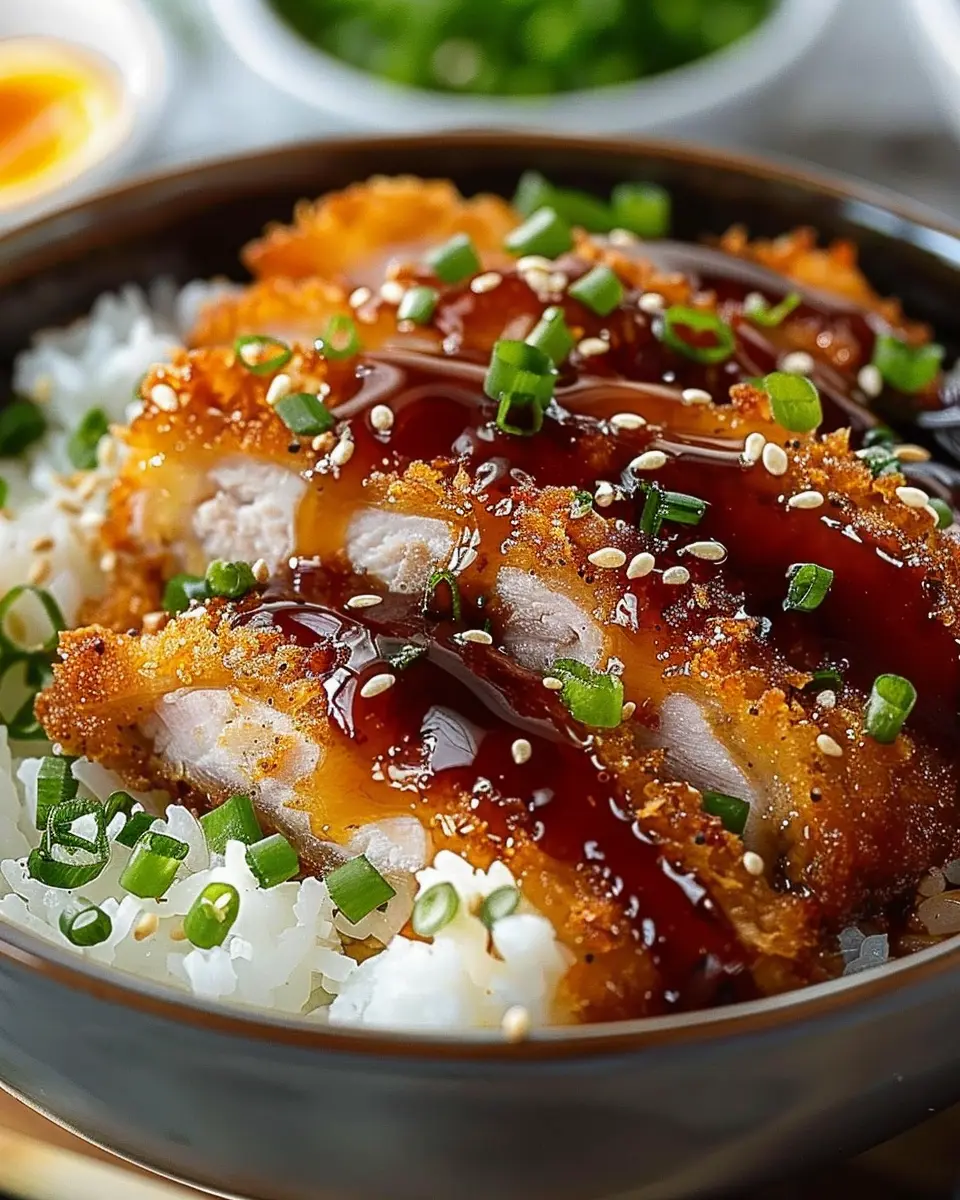
When you think of comfort food, Japanese Katsu bowls with tonkatsu sauce might not be the first dish that comes to mind. But, let me tell you, they’re a hidden gem in the world of quick, satisfying meals! A Katsu bowl is essentially a delightful combination of a crispy breaded cutlet—typically made from beef—served over a bed of fluffy rice and topped with flavorful tonkatsu sauce. It’s hearty, delicious, and perfect for showcasing the beautiful umami flavors that Japanese cuisine is celebrated for.
What exactly is a Katsu bowl?
Simply put, a Katsu bowl is a comforting dish featuring a protein (commonly beef) that’s been coated in panko breadcrumbs and fried until golden. This crispy cutlet is sliced and layered atop a bowl of rice, often garnished with veggies like shredded cabbage or pickles. What truly makes it sing is the tonkatsu sauce, a sweet and tangy blend that elevates the dish to new heights. For a deeper dive into the origins of Katsu, you might want to explore BBC Good Food or Serious Eats.
Why Katsu bowls are perfect for young professionals?
If you’re a young professional juggling a busy schedule, you’ll appreciate how easy it is to whip up a Japanese Katsu bowl with tonkatsu sauce. Here are a few reasons why they fit perfectly into a modern lifestyle:
-
Quick and Simple: Preparing a Katsu bowl can take less than 30 minutes! Just fry or bake your beef cutlet, cook your rice, and you’re nearly done.
-
Meal Prep Friendly: Make multiple servings at once, and you’ll have delicious meals ready for the week. Just reheat, add the sauce, and enjoy!
-
Nutrient-Dense: With the right balance of protein, carbohydrates, and veggies, you’re fueling your body efficiently.
These bowls are not just a meal; they are a culinary experience waiting to happen. With every bite, you’ll be transported to a bustling Tokyo eatery, savoring the rich flavors that make Japanese cuisine so adored. Are you ready to indulge in this delicious journey? Let’s get started!
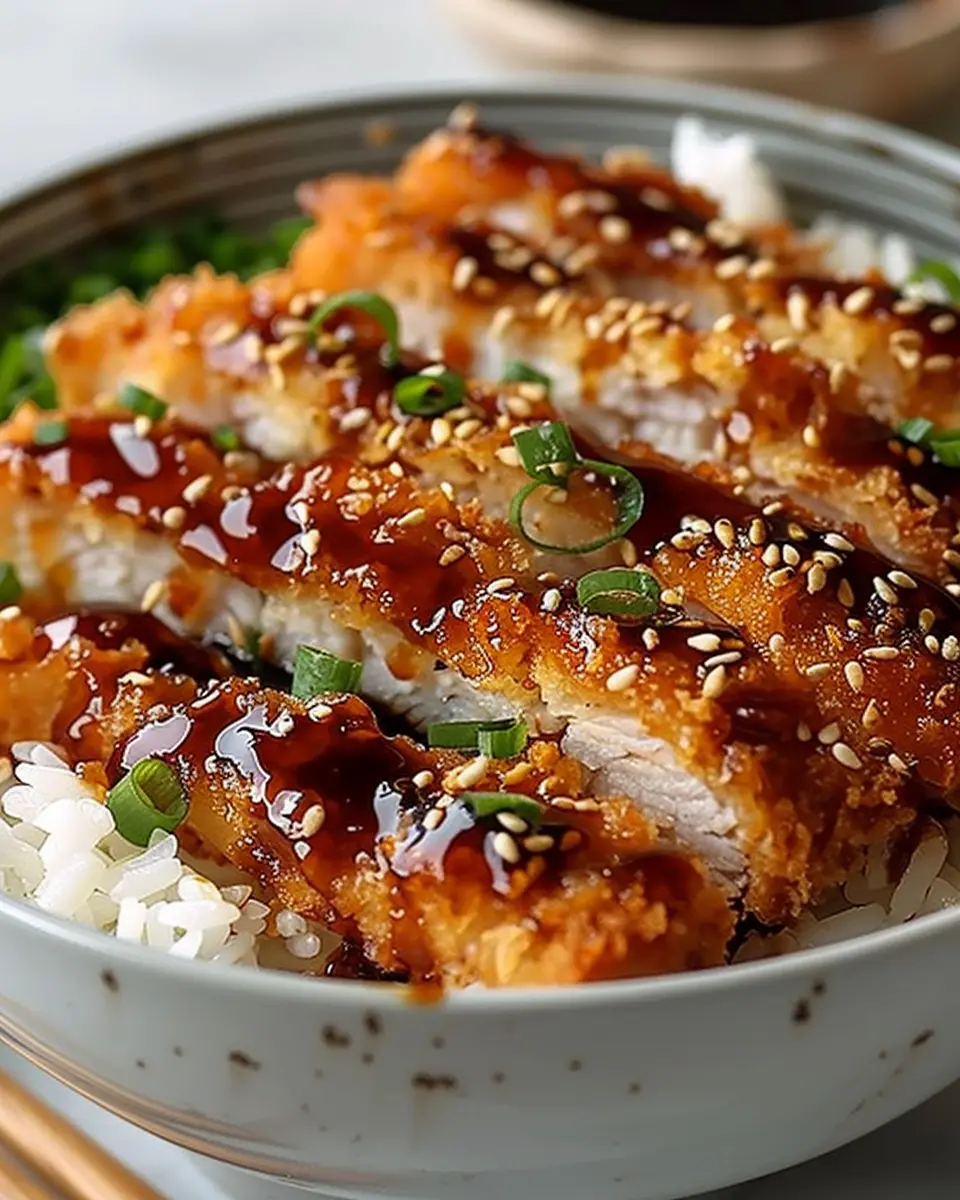
Ingredients for Japanese Katsu Bowls
Essential ingredients for the katsu
Creating delicious Japanese katsu bowls with tonkatsu sauce starts with the right ingredients. Here’s what you’ll need for the katsu:
- Beef cutlet: Choose a tender cut like sirloin or ribeye for that juicy bite.
- Panko breadcrumbs: These light, flaky breadcrumbs give your katsu that signature crispiness.
- Egg: A binding agent that helps the panko adhere perfectly to the beef.
- Flour: Regular all-purpose flour works wonders to coat the beef before dipping it in egg and panko.
- Salt and pepper: Essential seasonings to enhance the natural flavors of the beef.
Optional ingredients for enhancing flavor
While the basics will yield a yummy katsu, why not elevate your dish? Consider these optional ingredients:
- Chicken ham: Adding this can lend extra texture and flavor to your bowl.
- Turkey bacon: Chopped and sprinkled on top, this brings a smoky flavor that pairs beautifully with the katsu.
- Vegetables: Pickled ginger, shredded cabbage, or fresh scallions add freshness and crunch.
- Tonkatsu sauce: This sweet and tangy Japanese sauce is essential for drizzling over your katsu; it ties the flavors together beautifully.
Incorporating these ingredients can turn your katsu bowl into a delightful, colorful meal that your friends and family will love. For more on the health benefits of variations in meat, check out this Nutritional Guide. Enjoy your cooking adventure!
Preparing Japanese Katsu Bowls
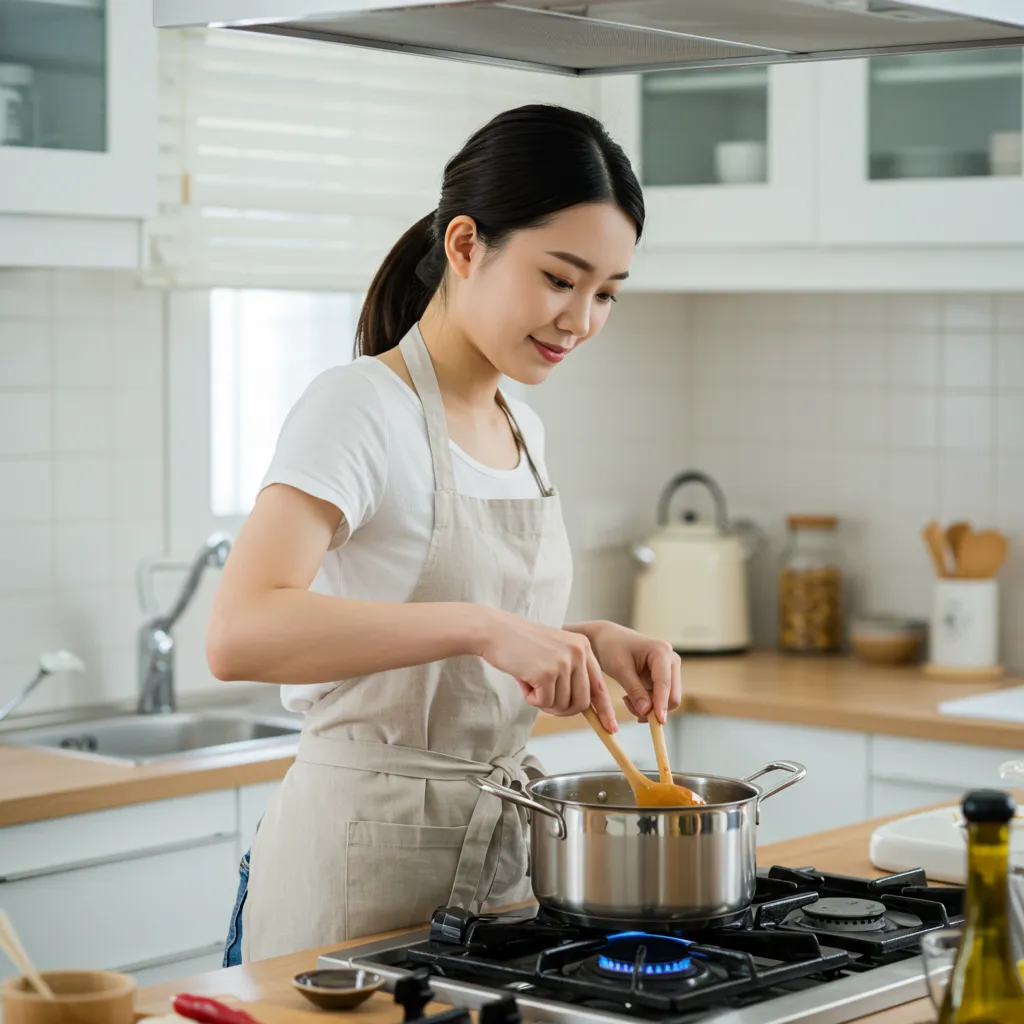
Creating delicious Japanese katsu bowls with tonkatsu sauce is an enjoyable process that perfectly blends flavors and textures. Let’s dive into this step-by-step guide that will have your kitchen buzzing with satisfying scents.
Getting the Chicken Ready
The star of the show is, of course, the chicken. Start by selecting a good cut; boneless chicken thighs or breasts work well here. To ensure even cooking, take the time to pound the chicken to about half an inch thick. This not just tenderizes the meat but also ensures that every bite is juicy.
- Tip: Cover the chicken with plastic wrap before pounding; it keeps things neat and avoids splatters.
Once you have your chicken pounded, season it generously with salt and pepper. Feel free to get creative; a hint of garlic powder or a dash of paprika can add an exciting kick. Let it sit for about 10–15 minutes to absorb those flavors.
Setting Up the Dredging Station
A well-organized dredging station is key to achieving that perfect katsu crust. You’ll need three shallow dishes:
- Flour: Plain all-purpose flour will be your dry base.
- Eggs: Beat a couple of eggs until smooth. This acts as the adhesive for the breadcrumbs.
- Panko Breadcrumbs: Opt for Japanese panko bread crumbs if you can; they’re lighter and crispier than traditional ones, giving that authentic texture.
To make the process smoother, place the dishes in a line: flour, egg, then breadcrumbs. As you prepare, remind yourself of how satisfying it will be to dig into those Japanese katsu bowls with tonkatsu sauce.
Coating the Chicken Evenly
Once your chicken is seasoned and your dredging station is set, it’s time for the fun part. Take each piece of chicken and coat it in flour first. Make sure to shake off any excess; a light coating is what you want.
Next, dip the floured chicken into the beaten eggs, letting any excess drip off before moving to the panko. Press the chicken into the breadcrumbs firmly, ensuring an even coating. This step is crucial for achieving that golden, crunchy exterior.
- Pro Tip: For an extra crunch, double-dredge by repeating the egg and breadcrumb steps for each piece of chicken.
Frying to Perfection
Now comes the culinary highlight—frying your katsu! Heat a good amount of oil in a skillet over medium-high heat. You want enough oil for shallow frying to ensure even cooking and crispiness.
- Cooking Tip: Use a neutral oil like canola or vegetable oil. It has a high smoke point and won’t overpower the flavors.
Once the oil is hot (you can test this by dropping in a breadcrumb; it should sizzle), gently place the breaded chicken in the pan. Be sure not to overcrowd, as this will lower the oil temperature and lead to sogginess. Cook for about 3-4 minutes on each side, or until the chicken is golden brown and fully cooked.
After frying, place the katsu on a paper towel-lined plate to drain excess oil while you marvel at your masterpiece.
Assembling the Bowls
Time to assemble those Japanese katsu bowls with tonkatsu sauce! Slice the cooked katsu into strips for an elegant presentation.
- Base: Start with a mound of freshly steamed rice—jasmine or sushi rice works wonderfully.
- Toppings: Lay the sliced katsu on top of the rice, and don’t be shy with that delicious tonkatsu sauce! Add some shredded cabbage for freshness, and perhaps sliced green onions or pickles for an extra flavor burst.
For a final flourish, sprinkle with sesame seeds or furikake seasoning to give it that authentic touch. Serve immediately and enjoy this delightful dish that not only fills the belly but also the soul.
By following these steps, you’ll master the art of making Japanese katsu bowls with tonkatsu sauce at home, impressing your friends, family, or just treating yourself to a well-deserved meal! If you’re looking for more tips on perfectly cooking rice or making homemade tonkatsu sauce, check out resources like Just One Cookbook for inspiration.
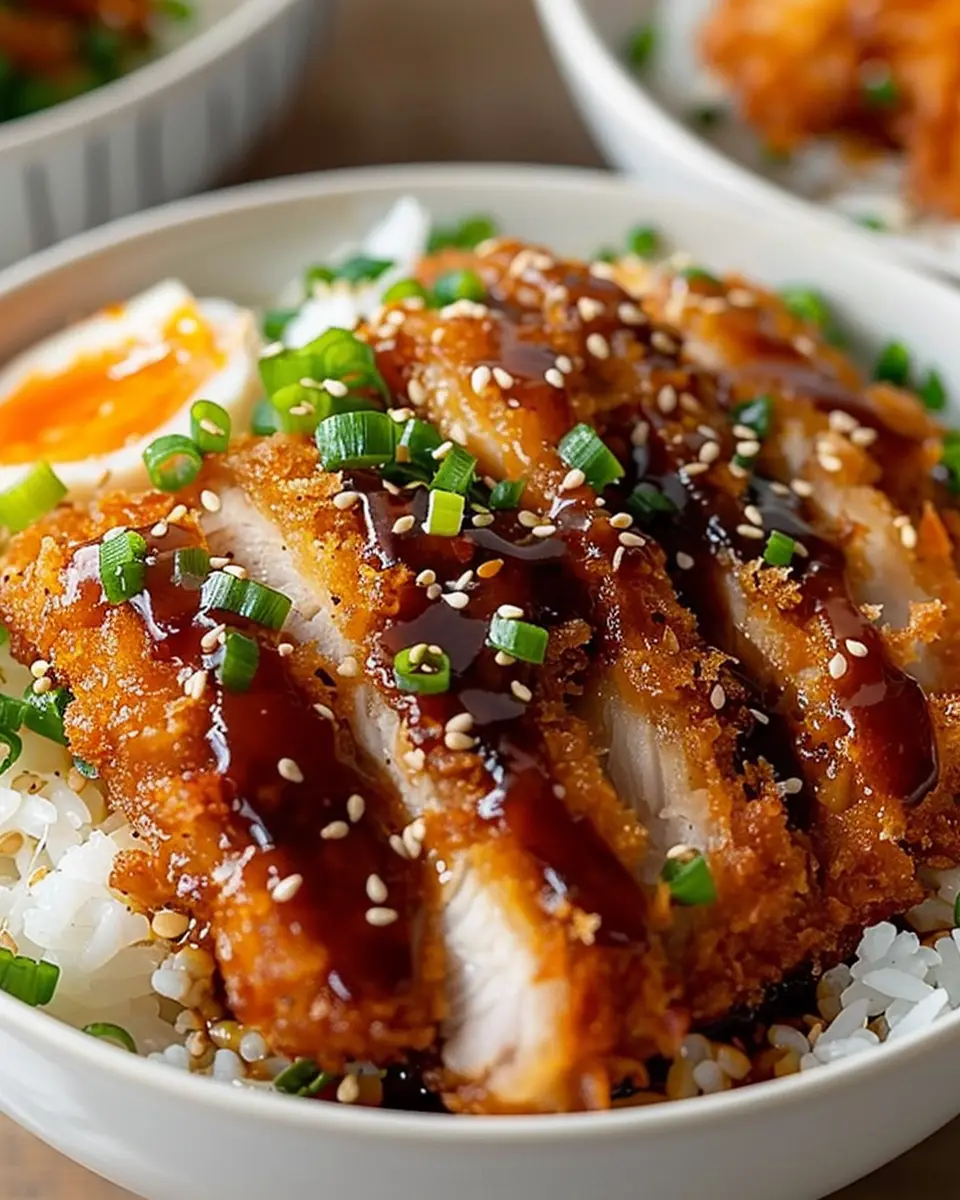
Variations on Japanese Katsu Bowls
When it comes to Japanese katsu bowls with tonkatsu sauce, the classic version garners a lot of love, but there’s so much more you can explore! Whether you’re a meat lover or searching for vegetarian options, the possibilities are endless.
Chicken Katsu Variations
Chicken is a fantastic alternative to the traditional beef katsu. You can keep it simple or play around with flavors. Here are some ideas:
- Spicy Chicken Katsu: Add a touch of heat by seasoning your chicken with chili flakes or serving it with a spicy mayo.
- Teriyaki Chicken Katsu: After frying your chicken, drizzle it with teriyaki glaze to add a sweet and savory twist.
- Katsu Curry Bowl: Serve your chicken katsu over rice and top with a rich Japanese curry sauce for a hearty meal that’s bursting with flavor.
For those curious about the merits of chicken over beef, many nutrition experts at Healthline highlight that chicken is lower in calories and saturated fat while still being a great source of protein.
Vegetarian Katsu Options
No need to miss out if you’re a vegetarian! Katsu can easily be adapted to meet your diet. Try these options:
- Eggplant Katsu: Slice eggplant, coat in panko, and fry until crispy. It’s a great way to capture that coveted crunch!
- Tofu Katsu: Firm tofu works beautifully; just marinate it before panko-breading for added flavor.
- Mushroom Katsu: Portobello mushrooms lend a meaty texture that pairs perfectly with tonkatsu sauce.
Experimenting with these variations not only makes Japanese katsu bowls more exciting but also offers something for every palate at the dinner table. What’s your favorite way to enjoy katsu? Share your variations and let’s create more delicious memories together!
Cooking Tips and Notes for Japanese Katsu Bowls
Ensuring Perfect Frying Temperature
When crafting your Japanese katsu bowls with tonkatsu sauce, hitting the right temperature for frying is crucial. Ideally, you want your oil to be between 340°F to 350°F (171°C to 177°C). A kitchen thermometer can be your best friend here—just a few degrees can mean the difference between a soggy cutlet and a beautifully golden one. If you don’t have a thermometer, a quick test is to drop a small piece of bread into the oil; if it sizzles and turns golden in around 60 seconds, you’re good to go.
Tips for a Crispier Texture
Achieving that satisfying crunch is all about technique. Coat your beef with flour, then dip it in beaten egg, and finally cover it in panko breadcrumbs—the coarser texture of panko gives it that extra crunch! For even crispier results, consider letting the breaded cutlets sit for about 10 minutes before frying. It helps form a better crust. You can also double-dip in egg and breadcrumbs for a thicker, crunchier coating.
For more expert tips on frying techniques, check out this resource from Serious Eats. Remember, the key to delicious Japanese katsu bowls is crispy joy with every bite!
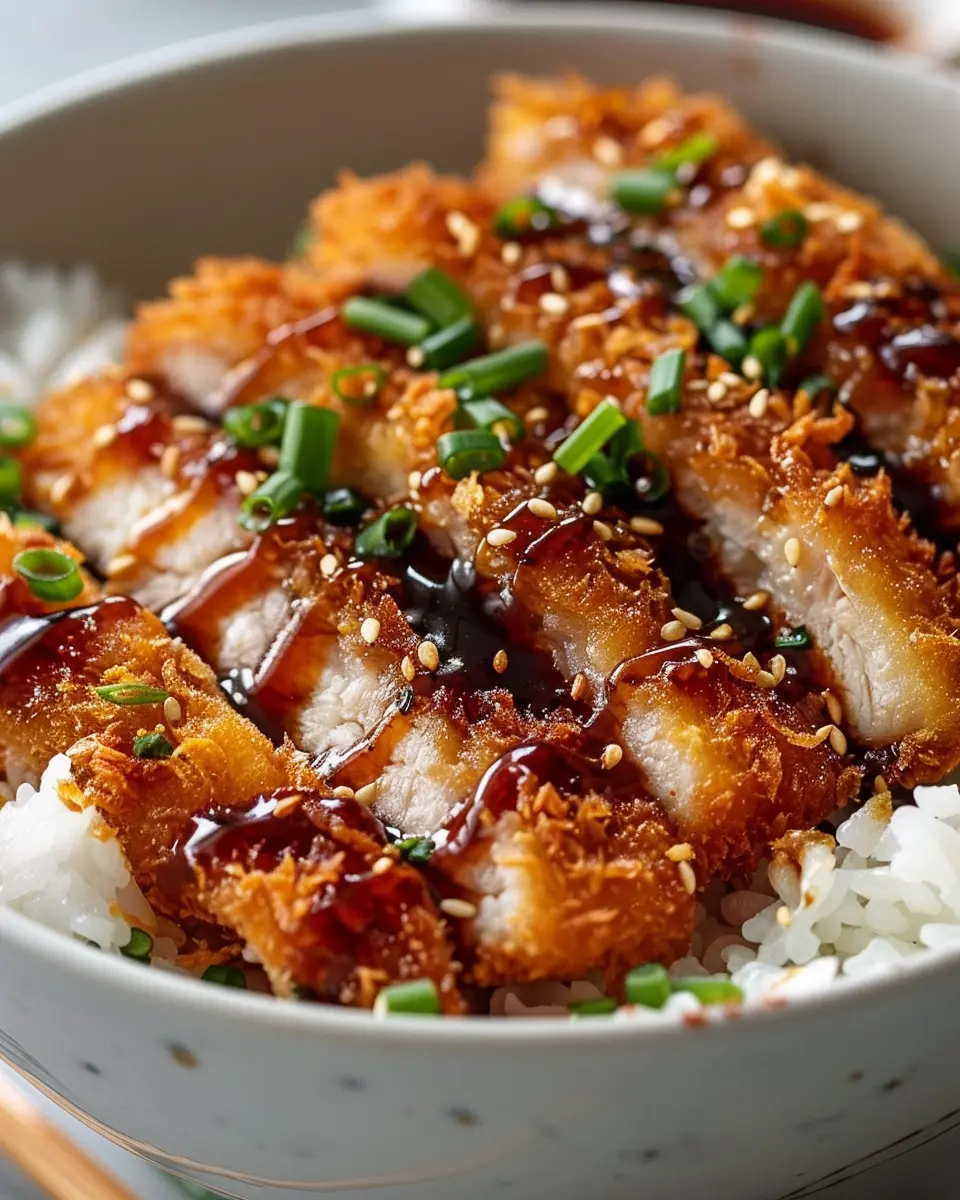
Serving Suggestions for Japanese Katsu Bowls
Presentation Ideas for a Gourmet Look
Creating a feast for both the eyes and the taste buds is an art! Japanese katsu bowls with tonkatsu sauce can be elegantly presented to elevate your dining experience. Start by selecting a vibrant decorative bowl that enhances the colors of your ingredients. Layer your crispy katsu atop fluffy rice, and sprinkle with finely chopped green onions for a pop of color.
Consider adding a side of steamed seasonal vegetables or a simple cucumber salad to complement the dish. For an extra touch, drizzle some tonkatsu sauce artfully around the plate—this not only enhances flavor but also gives it that gourmet flair. Finally, placing a small dish of pickled ginger or wasabi can add a personal touch and level of sophistication.
Pairing Suggestions with Drinks
When it comes to pairing drinks with your Japanese katsu bowls, think refreshing! I love serving my katsu with chilled jasmine tea or sparkling water infused with citrus for a bright counterbalance to the richness of the tonkatsu sauce. Alternatively, you might enjoy a light, fruity sparkling cider; it complements the crispy katsu beautifully.
Don’t forget to explore other options, like a crisp lemonade or a mild fruit punch, which can enhance the flavors of the dish while keeping the dinner relaxed and enjoyable.
You can discover more about drink pairings on sites like The Spruce Eats for great ideas! With these tips, you will enhance not only the flavor but also the overall enjoyment of your homemade Japanese katsu bowls.
Time Breakdown for Japanese Katsu Bowls with Tonkatsu Sauce
Planning to whip up some delightful Japanese katsu bowls with tonkatsu sauce? Here’s a quick time summary to help you stay on track!
Preparation Time
In total, you’ll need about 15 minutes for preparation. This includes chopping your vegetables and coating the beef in breadcrumbs. If you’re using pre-prepared ingredients like sliced turkey bacon or chicken ham, your prep time could be even shorter.
Cooking Time
Cooking will take approximately 25 minutes. During this time, you’ll be frying your breaded beef to golden perfection and sautéing the veggies to enhance their flavors.
Total Time
When you add both preparation and cooking, the total time comes to around 40 minutes. Perfect for a weeknight dinner! This is a great opportunity to explore the history of katsu while you cook, perhaps by checking out this insightful article on its origins.
By timing everything right, you’ll serve up Japanese katsu bowls with tonkatsu sauce that not only taste amazing but also look Instagram-ready!
Nutritional Facts for Japanese Katsu Bowls
When it comes to enjoying a flavorful meal like Japanese katsu bowls with tonkatsu sauce, it’s essential to consider the nutritional benefits. Here’s a quick look at what makes this dish both delicious and satisfying:
Calories per serving
Each serving of Japanese katsu bowls typically contains around 600–800 calories. This makes them a filling option but can vary based on portion sizes and toppings.
Protein content
Packed with protein, each bowl boasts approximately 30–40 grams, largely sourced from the beef cutlet. Protein is crucial for muscle repair and satiety, making this meal a great choice after a workout.
Other nutritional highlights
- Healthy fats: The tonkatsu sauce adds flavor without excessive calories.
- Carbohydrates: Usually paired with rice, you can opt for brown rice for added fiber.
- Vitamins & minerals: Including veggies boosts your intake of essential nutrients.
Remember, this dish can be easily customized! For a healthier twist, consider pairing it with steamed vegetables or swapping out for whole grain rice. If you’re curious about the benefits of different ingredients, check out resources from Healthline or NutritionData. Enjoy your cooking adventure!
FAQs about Japanese Katsu Bowls with Tonkatsu Sauce
Can I use other proteins for katsu?
Absolutely! While traditional katsu typically features pork, you can easily switch it up with other proteins. Try using chicken for a lighter option or even turkey bacon for a twist. If you’re looking for a plant-based alternative, firm tofu can be breaded and fried to achieve that crunchy texture. Just remember to adjust cooking times accordingly based on the protein you choose.
What if I can’t find tonkatsu sauce?
No worries! If tonkatsu sauce isn’t available at your local grocery store, you can whip up a quick homemade version. Combine equal parts ketchup and Worcestershire sauce, then add a touch of soy sauce, sugar, and Dijon mustard for that signature tangy flavor. You can also check out this comprehensive guide on making katsu sauce at Serious Eats.
Tips for making it ahead of time
Meal prepping Japanese katsu bowls with tonkatsu sauce can save you time during busy weeknights. Here are a few tips:
- Bread and fry your protein: You can coat and fry your chosen protein a day in advance, then reheat it in the oven to retain its crispiness.
- Prepare the sauce: Make a batch of tonkatsu sauce ahead of time and store it in the fridge. It usually lasts for a week and will only enhance in flavor.
- Rice and veggies: Cook your rice and steam your veggies ahead of time as well. Just store them in airtight containers in the fridge for easy assembly when you’re ready to eat.
With these tips, you’ll have a delicious meal ready in no time! Enjoy crafting your Japanese katsu bowls with tonkatsu sauce.
Conclusion on Japanese Katsu Bowls with Tonkatsu Sauce
Making Japanese Katsu Bowls with Tonkatsu Sauce at home is an experience you won’t want to miss. Why? Because it’s a fantastic way to impress friends or a significant other with your culinary skills without spending hours in the kitchen. The joy of biting into crispy beef, paired with the rich, sweet-salty tonkatsu sauce, is unmatched.
Trying your hand at this dish allows you to customize flavors and ingredients—perhaps incorporating your favorite veggies or choosing a different protein. Plus, cooking at home is more budget-friendly than dining out. For a more in-depth exploration, you might check out Serious Eats for tips or BBC Good Food for recipe variations.
So roll up your sleeves and get cooking; your kitchen adventure awaits!
Japanese Katsu Bowls with Tonkatsu Sauce: Easy Comfort Food Delight
Discover the deliciousness of Japanese Katsu Bowls drizzled with tangy Tonkatsu Sauce that brings comfort to your dining table.
- Prep Time: 15 minutes
- Cook Time: 25 minutes
- Total Time: 40 minutes
- Yield: 4 servings 1x
- Category: Main Course
- Method: Frying
- Cuisine: Japanese
- Diet: Omnivore
Ingredients
- 1 pound pork loin
- 1 cup all-purpose flour
- 2 eggs
- 2 cups panko breadcrumbs
- 4 cups cooked rice
- 1 cup Tonkatsu sauce
- 2 tablespoons vegetable oil
- 2 green onions, sliced
Instructions
- Prepare the pork loin by slicing it into cutlets.
- Set up a breading station with flour, beaten eggs, and panko breadcrumbs.
- Dredge the pork cutlets in flour, dip into eggs, and coat with panko.
- Heat vegetable oil in a skillet over medium heat and fry the pork cutlets until golden brown.
- Cook rice according to package instructions and serve in bowls.
- Top the rice with the fried cutlets and drizzle with Tonkatsu sauce.
- Garnish with sliced green onions.
Notes
- For extra crunch, double coat the pork cutlets in panko.
- Serve with a side of pickled vegetables for an authentic experience.
Nutrition
- Serving Size: 1 bowl
- Calories: 800
- Sugar: 6 grams
- Sodium: 700 milligrams
- Fat: 40 grams
- Saturated Fat: 10 grams
- Unsaturated Fat: 20 grams
- Trans Fat: 0 grams
- Carbohydrates: 80 grams
- Fiber: 2 grams
- Protein: 30 grams
- Cholesterol: 100 milligrams
Keywords: Japanese Katsu, Tonkatsu Sauce, Comfort Food, Quick Recipe