Introduction to Japanese Katsu Bowls with Tonkatsu Sauce
What are Japanese Katsu Bowls?
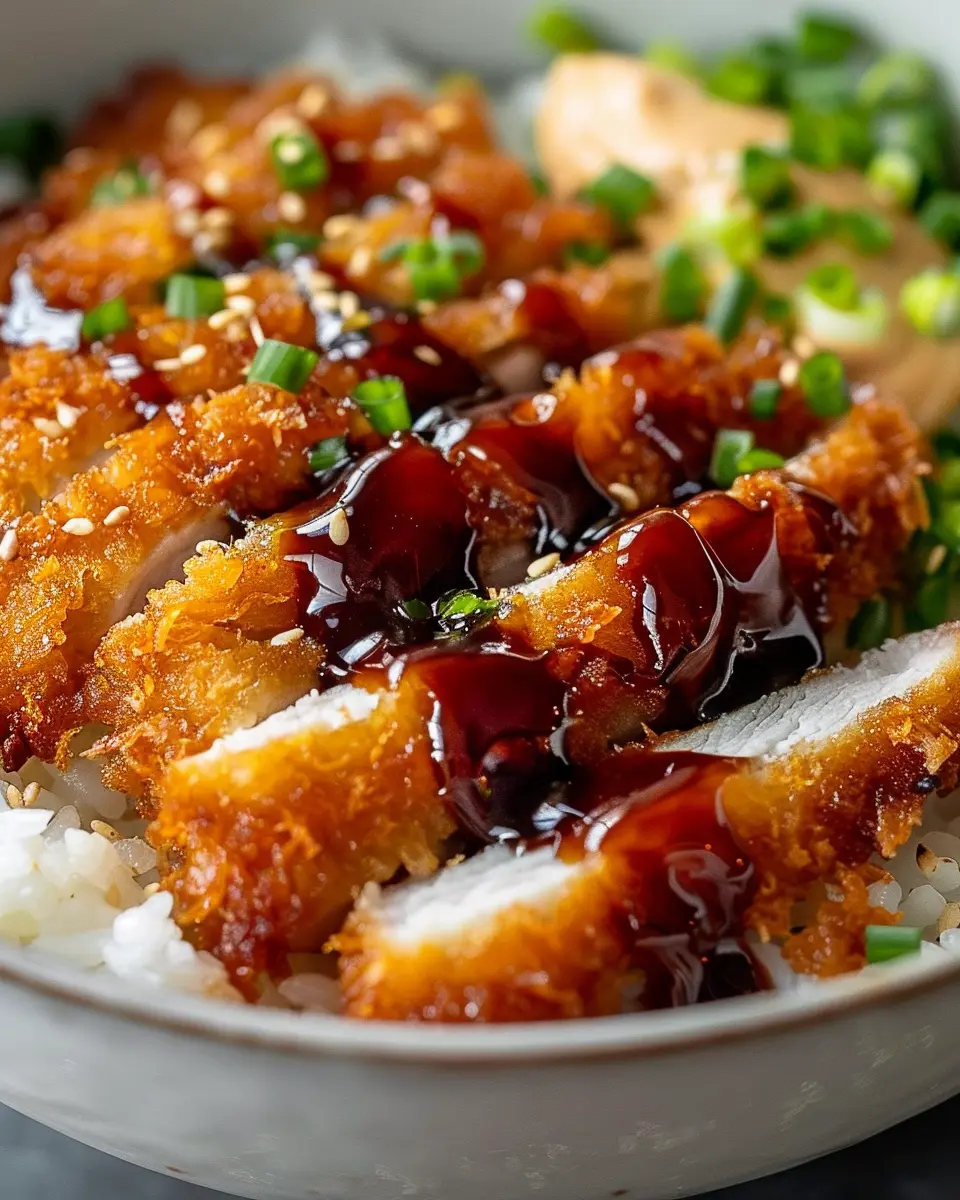
If you’ve ever had the pleasure of trying Japanese Katsu Bowls with Tonkatsu Sauce, you know just how delectable this comfort food can be. Traditionally, a katsu bowl consists of crispy, breaded beef cutlets served over a bed of fluffy rice, often accompanied by pickled vegetables and a drizzle of rich tonkatsu sauce. This dish beautifully marries textures and flavors, making it a satisfying meal that’s perfect for a weeknight dinner or a leisurely weekend brunch.
A Brief History of Katsu
Katsu has roots in the late 19th century, evolving from European influences. The term itself comes from “katsu,” derived from the Japanese word “katsura,” which means “to cut.” Originally, it featured a variety of meats, but it wasn’t until the beef variants emerged that katsu found its true calling in Japanese cuisine. Over time, it has transitioned from being a Western-style dish to a beloved staple in Japanese households. It now represents comfort and nostalgia for many, evoking fond memories of home-cooked meals.
Why Katsu has Become a Favorite for Young Professionals
In today’s fast-paced world, Japanese Katsu Bowls with Tonkatsu Sauce are catching the eyes (and stomachs) of young professionals. Here’s why they’re winning hearts:
- Quick to Prepare: With busy schedules, the ability to whip up this dish in 30 minutes or less is a game-changer.
- Nutritious and Satisfying: Packed with protein from the beef and balanced with carbs from rice, it’s a nourishing meal choice.
- Customizable: You can easily adapt recipes by choosing different proteins like turkey bacon or chicken ham, or by adding seasonal vegetables to the mix.
- Social Media Appeal: A beautifully plated katsu bowl looks incredible on platforms like Instagram, making it popular among food enthusiasts eager to showcase their culinary skills.
With the simple combination of crispy beef, warm rice, and tangy tonkatsu sauce, this dish quickly transforms into a culinary favorite. Are you ready to dive into the world of katsu bowls? Let’s get cooking! For a deeper exploration of katsu, check out Japanese Cooking 101 for insightful tips and tricks.
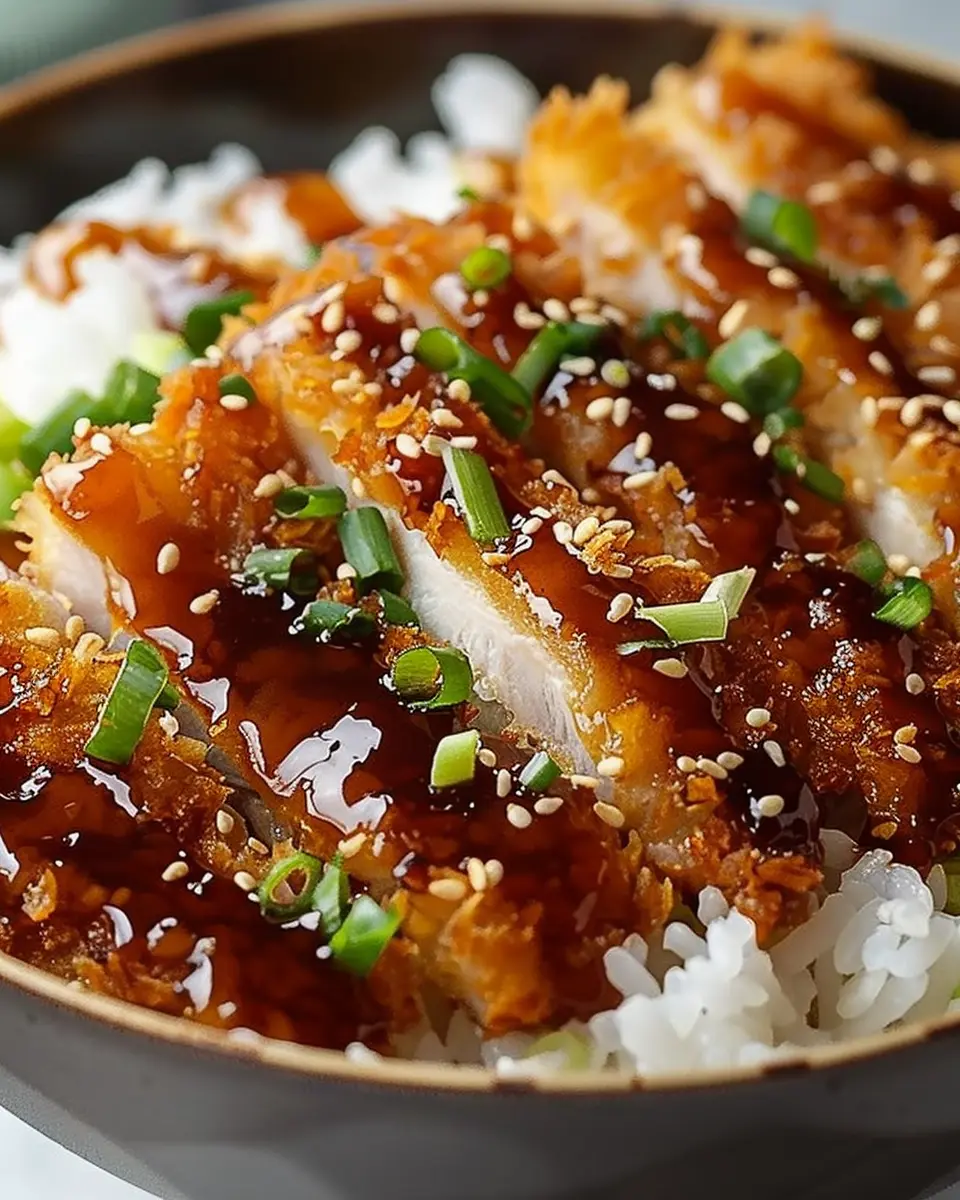
Ingredients for Japanese Katsu Bowls
When it comes to whipping up delicious Japanese Katsu Bowls with Tonkatsu Sauce, you’ll want to gather a few essential components to ensure everything comes together perfectly.
Essential ingredients for the Katsu
- Beef Cutlet: Choose a tender cut like sirloin or ribeye for your katsu.
- Panko Breadcrumbs: These light, crispy breadcrumbs give the katsu its signature crunch.
- All-Purpose Flour: For dredging the meat before coating it in egg and panko.
- Eggs: Helps the panko stick to the beef for that satisfying crust.
- Cooking Oil: Opt for vegetable or canola oil for frying.
Key components of tonkatsu sauce
Tonkatsu sauce is the heart of the dish, blending sweet and savory flavors.
- Worcestershire Sauce: Adds a tangy depth.
- Ketchup: Brings a hint of sweetness.
- Soy Sauce: For umami richness.
- Sugar: To balance all the flavors.
Optional additions for extra flavor
Elevate your katsu bowl with personal touches:
- Cabbage Slaw: Adds crunch and freshness.
- Sesame Seeds: For an earthy flavor.
- Pickled Ginger: A zesty contrast to the savory katsu.
With these ingredients at hand, you’ll be well on your way to creating an unforgettable meal that will impress your friends and satisfy your taste buds. Happy cooking!
For more inspiration, check out Serious Eats for tips on perfecting your tonkatsu skills!
Step-by-Step Preparation of Japanese Katsu Bowls
Creating a delicious Japanese Katsu bowl with tonkatsu sauce is a delightful journey that promises satisfaction in both taste and presentation. Let’s dive into the step-by-step preparation, ensuring you have a clear and concise guide at your fingertips!
Prepare the chicken (or beef)
The first step in crafting your Japanese Katsu Bowls with Tonkatsu Sauce is to select your protein. Depending on your preference, you can choose either chicken or beef. Tender cuts work best, providing that juicy, flavorful bite.
- Chicken Cutlets: For chicken, boneless fillets are ideal. They cook evenly and can be easily pounded to your preferred thickness.
- Beef Tenderloin: If you prefer beef, make sure to slice it against the grain for tenderness.
Once you’ve picked your protein, use a meat mallet to gently pound it to about ½ inch thick. This not only ensures an even cook but also promotes that crispy exterior we all love. Season both sides with a pinch of salt and black pepper for flavor.
Set up your dredging station
Next, let’s set up a dredging station, which is essential for achieving that coveted crispy coating. You’ll need three shallow bowls or dishes lined up side by side. Here’s the breakdown:
-
First Bowl: Place about ½ cup of all-purpose flour.
-
Second Bowl: Beat 2 large eggs in this dish, adding a splash of water to help with the coating.
-
Third Bowl: Fill this with 1 cup of panko breadcrumbs—these larger flakes will give your katsu that delightful crunch!
This setup will streamline the coating process and ensure that every piece receives an even layer of goodness.
Coat the Katsu properly
Start coating your protein to prepare it for frying. Here’s how to do it:
-
Dip in Flour: First, take your chicken (or beef) and coat it evenly in the flour, shaking off any excess.
-
Egg Bath: Next, dip it into the beaten eggs, ensuring it’s well-coated so the panko adheres perfectly.
-
Panko Shower: Finally, transfer your piece to the panko bowl, pressing lightly so the breadcrumbs stick. Repeat this for all pieces, setting them aside on a plate.
This meticulous coating process will guarantee a satisfying crunch on your final dish.
Fry to crispy perfection
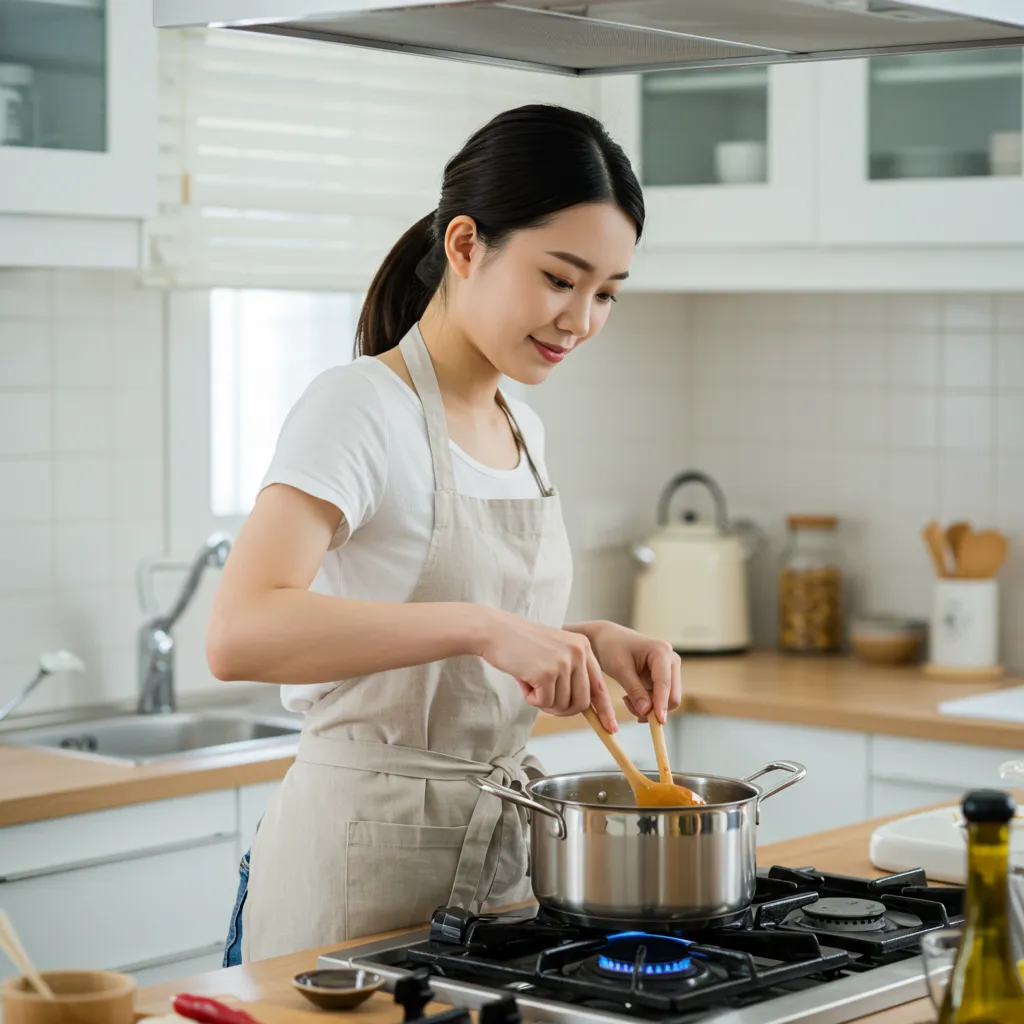
Now it’s time for the best part: frying! In a large skillet, heat about ½ inch of vegetable oil over medium heat.
- Temperature Check: To ensure your oil is ready, drop in a few panko crumbs—if they sizzle immediately, you’re good to go.
Carefully place your coated protein in the hot oil, ensuring not to overcrowd the skillet. Fry each side for about 3-4 minutes or until golden brown and crispy. Using a slotted spoon, remove them from the oil and drain on paper towels to soak up excess oil.
Assemble your Katsu bowls
With your crispy katsu ready, it’s time to assemble your Japanese Katsu Bowls with Tonkatsu Sauce. Start with a base of rice—steamed white rice works beautifully.
- Layering Ingredients: Place the fried katsu on top, then drizzle generously with tonkatsu sauce.
For additional flavor, incorporate fresh veggies like shredded cabbage or sliced pickles. This not only adds texture but also brings a burst of color to your bowl.
Enjoy a beautiful presentation
Presentation is key! Take a moment to arrange your bowl attractively. A garnish of sliced green onions or sesame seeds can elevate the visual appeal even further. Don’t forget a small side of extra tonkatsu sauce for dipping!
Enjoy the fruits of your labor, and don’t hesitate to snap a photo to share with friends or on your social media. After all, a beautiful meal deserves to be celebrated!
This comprehensive guide sets you well on your way to enjoying mouth-watering Japanese Katsu Bowls with Tonkatsu Sauce. Not only will you impress your friends with your culinary skills, but you’ll also relish every delicious bite! For more culinary inspiration, check out sources like Serious Eats for tips and tricks to enhance your cooking journey.
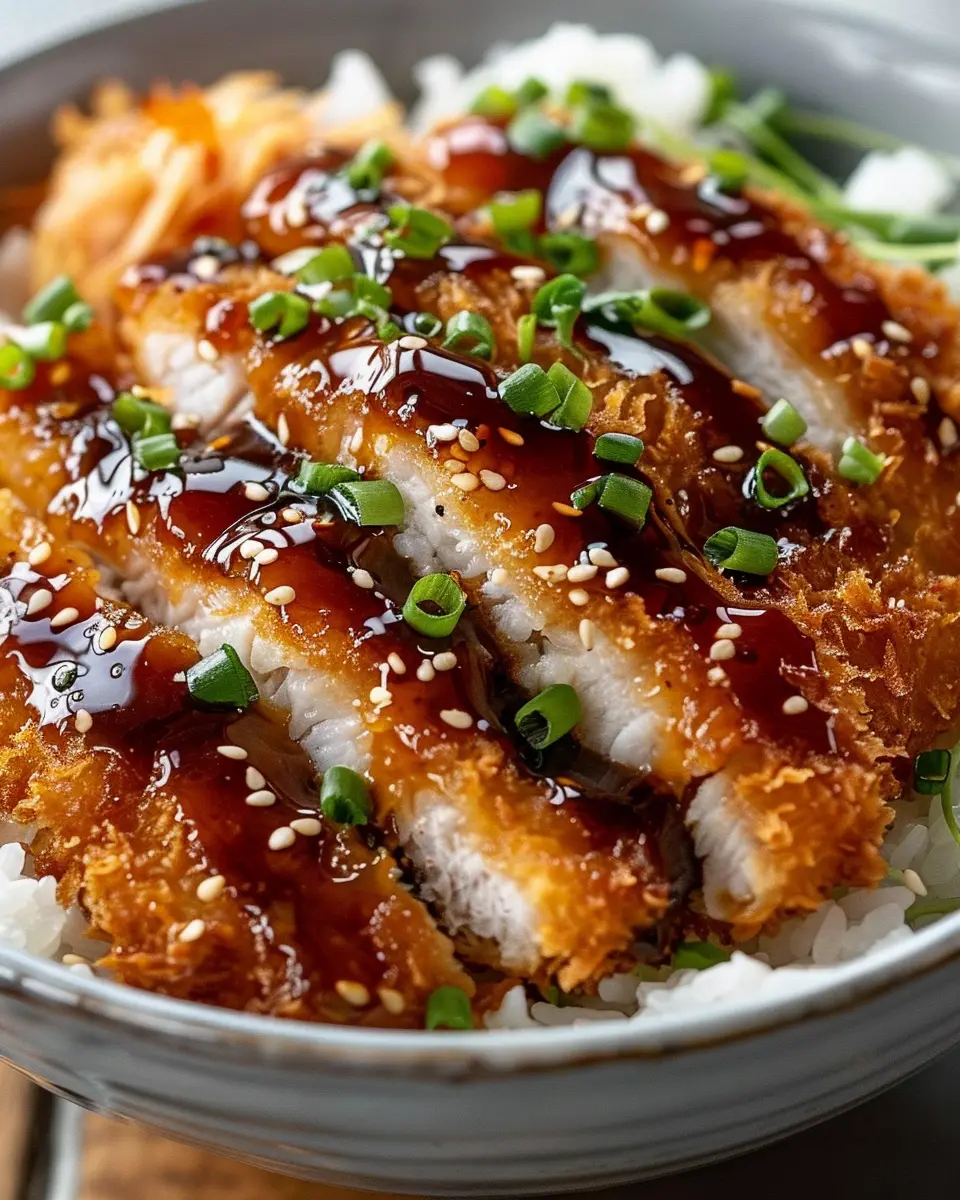
Variations on Japanese Katsu Bowls
Vegetarian Katsu Options
If you’re looking to swap out meat for a vegetarian delight, consider using crispy panko-coated eggplant or tofu. Both options soak up flavors beautifully and can still provide that satisfying crunch. You can easily prepare these by slicing, seasoning with soy sauce, and coating with panko breadcrumbs before frying or baking. A miso glaze drizzled on top can elevate your dish even further, offering a rich umami contrast that rivals traditional Japanese Katsu Bowls with Tonkatsu Sauce.
Alternative Proteins: Turkey or Beef
For those who might want to switch from the classic, using turkey or beef can bring a fresh twist. Turkey cutlets deliver a lighter, leaner alternative that pairs well with that sweet and tangy tonkatsu sauce. On the other hand, using beef—perhaps a tenderized flank steak—offers a more robust flavor that fans of hearty dishes will appreciate. Just remember to adjust your cooking times, as both turkey and beef can cook faster than pork, so keep an eye on them!
Creative Toppings and Sauces
Don’t shy away from being creative with your toppings! Think about adding a sprinkle of nori flakes, fresh cilantro, or a drizzle of sesame oil for an extra pop. You might also explore different sauces beyond classic tonkatsu. Spicy mayo can add a delightful kick, while a sweet chili sauce will introduce a new level of flavor complexity.
These variations ensure your Japanese Katsu Bowls remain a versatile staple in your culinary repertoire. For more inspiration, check out resources like the Japan National Tourism Organization, where you can explore authentic Japanese cuisine!
Cooking Tips and Notes for Japanese Katsu Bowls
Selecting the right oil for frying
When making Japanese Katsu Bowls with Tonkatsu Sauce, the oil you choose can make a world of difference. Opt for oils with high smoke points, like vegetable, canola, or peanut oil. These oils will ensure your beef katsu fries up crisp without burning. Did you know that palm oil is another good option; it’s actually quite popular in some Asian kitchens? Whichever oil you use, aim for a depth of about an inch in your pan for even cooking.
Achieving the perfect crunch
For that perfectly crunchy katsu, the breading is key. Use panko breadcrumbs instead of regular breadcrumbs — they create that light, airy texture and superior crunch that you’re after. Don’t forget to season your flour and breadcrumbs to enhance flavor. A dash of salt and pepper works wonders! While frying, resist the urge to overcrowd the pan; doing so can lower the oil temperature and lead to a soggy katsu. Instead, fry in batches for optimum crispiness.
For more tips on frying techniques, check out Serious Eats for comprehensive resources.
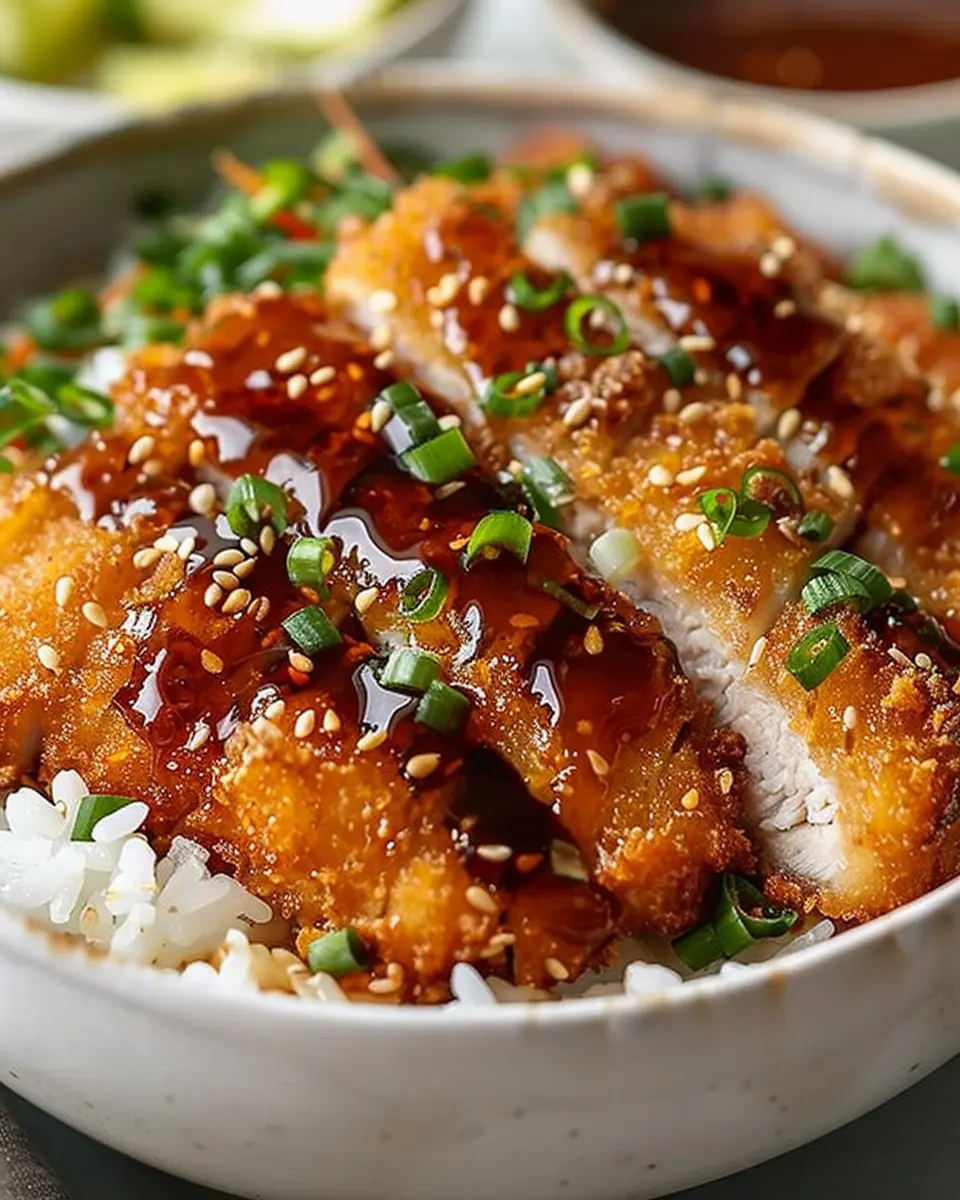
Serving Suggestions for Japanese Katsu Bowls
Pairing Suggestions for Sides
When you indulge in Japanese Katsu Bowls with Tonkatsu Sauce, it’s all about creating that perfect balance of flavors. Consider adding a side of Japanese pickles, like tsukemono, to bring a tangy crunch to your meal. A simple cucumber salad drizzled with sesame oil adds freshness and complements the richness of the katsu beautifully. For those who crave something heartier, a small bowl of steamed rice or miso soup serves as the ideal comfort to soak up the delicious sauce.
Bringing the Experience Home
Transform your dining space into a Japanese eatery! Use simple tableware—like earthy bowls and wooden utensils—to elevate the experience. Consider lighting some candles or playing soft Japanese instrumental music for an authentic feel. If you’re feeling adventurous, why not get creative and make a homemade miso dressing for your sides?
By focusing on these pairing suggestions, you can enjoy an unforgettable meal with your Japanese Katsu Bowls with Tonkatsu Sauce. Bon appétit!
Time Breakdown for Japanese Katsu Bowls
Preparation Time
Preparing your Japanese Katsu Bowls with Tonkatsu Sauce is quick and straightforward, taking about 20 minutes. Gather your ingredients, including beef, panko breadcrumbs, and your favorite veggies. Consider chopping everything in advance to streamline your cooking process.
Cooking Time
Once prepped, the cooking will take around 30 minutes. This includes frying the breaded beef to achieve that golden brown crust and simmering the vegetables to perfection.
Total Time
In total, you’ll need about 50 minutes from start to finish. This means you can whip up a delicious homemade meal even on a busy weeknight! Plus, the enticing aroma of katsu wafting through your kitchen will make it all worth it.
If you’re interested in similar quick recipes, check out this link for more ideas!
Nutritional Facts for Japanese Katsu Bowls
When diving into the delicious world of Japanese Katsu Bowls with Tonkatsu Sauce, it’s helpful to understand the nutritional profile of this comforting dish. Here’s a quick overview:
Calories Breakdown
A typical serving of Japanese Katsu Bowls can range between 600 to 800 calories, depending on the ingredients and portion sizes. If you’re keeping an eye on your caloric intake, consider moderating side portions like rice or sauce.
Protein Content
One of the standout features of these bowls is their protein content, providing around 30 grams per serving. This is primarily from the beef and any added toppings like eggs or vegetables, making it a great meal to keep you satiated throughout the day.
Sodium Levels
While delicious, be mindful of sodium levels! A single serving can pack about 1,000 mg of sodium, mainly from tonkatsu sauce and breading. Opt for low-sodium sauce varieties or fresh ingredients to help manage your intake.
For more insights on nutrition, check out resources like the USDA FoodData Center for extensive nutritional databases.
FAQs about Japanese Katsu Bowls
Can I make tonkatsu sauce from scratch?
Absolutely! Making tonkatsu sauce at home is not only easy, but it also allows you to customize the flavors to your liking. A simple recipe includes ingredients like ketchup, Worcestershire sauce, soy sauce, and a bit of sugar for sweetness. Combine these ingredients and adjust according to your personal preference. Some recipes even suggest adding a dash of mustard for a little kick! For detailed guidance, check out this tonkatsu sauce recipe.
What can I substitute if I can’t find panko breadcrumbs?
If panko breadcrumbs are hard to come by, don’t worry! You can use traditional breadcrumbs as a substitute, though they may not deliver the same crispy texture. Alternatively, crushed cornflakes or even crushed crackers can create a delightful crunch. Just make sure to season them a little to infuse extra flavor in your Japanese Katsu Bowls with Tonkatsu Sauce.
How long can I store leftover Katsu?
Leftover katsu can be kept in the fridge for about 3 to 4 days without losing its deliciousness. When storing, make sure to wrap it tightly to prevent it from drying out. You can also freeze katsu for up to 2 months. To reheat, place it in the oven to keep that crispy coating intact, as microwaving might make it soggy. Enjoying a homemade Japanese meal later in the week is the perfect convenience for busy young professionals!
Conclusion on Japanese Katsu Bowls
Recap of the joy of homemade Katsu bowls
Making Japanese katsu bowls with tonkatsu sauce at home is not just about the delicious meal; it’s about creating an experience. The crunchy, golden beef paired with the rich, savory sauce brings a taste of Japan right to your kitchen. There’s a unique joy in preparing a meal that’s comforting and satisfying, elevating your weeknight dinners or weekend feasts.
Encouragement to experiment and share at home
Don’t hesitate to get creative! Swap in your favorite proteins or vegetables, and make this dish your own. Cooking is all about experimenting, and sharing your experiences with friends and family can turn a simple meal into cherished memories. Who knows, you might inspire a katsu bowl night tradition! So, roll up your sleeves, dive into this culinary adventure, and enjoy every bite. For more tips and variations, check out Serious Eats and Just One Cookbook for in-depth insights.
Japanese Katsu Bowls with Tonkatsu Sauce: Easy Comfort Food Delight
Enjoy the deliciousness of Japanese Katsu Bowls topped with savory Tonkatsu sauce, a perfect comfort food for any occasion.
- Prep Time: 15 minutes
- Cook Time: 20 minutes
- Total Time: 35 minutes
- Yield: 4 servings 1x
- Category: Main Dish
- Method: Frying
- Cuisine: Japanese
- Diet: Nut-free
Ingredients
- 4 pieces pork loin chops
- 1 cup panko breadcrumbs
- 1 cup all-purpose flour
- 2 eggs
- 1 cup vegetable oil
- 1 cup Tonkatsu sauce
- 4 cups cooked rice
- 2 cups shredded cabbage
Instructions
- Pound the pork loin chops to even thickness.
- Dredge the pork in flour, dip in beaten eggs, then coat in panko breadcrumbs.
- Heat vegetable oil in a pan and fry the pork until golden brown and cooked through.
- Slice the fried pork and serve over rice with shredded cabbage and Tonkatsu sauce on top.
Notes
- For extra flavor, marinate the pork in soy sauce and ginger before breading.
- Adjust the thickness of the pork to your preference for a juicier bite.
Nutrition
- Serving Size: 1 bowl
- Calories: 600
- Sugar: 5g
- Sodium: 800mg
- Fat: 30g
- Saturated Fat: 5g
- Unsaturated Fat: 20g
- Trans Fat: 0g
- Carbohydrates: 60g
- Fiber: 2g
- Protein: 25g
- Cholesterol: 150mg
Keywords: Japanese Katsu, Tonkatsu Sauce, Comfort Food